Fashion in Nigeria is a dynamic blend of heritage, environment, and personal expression. Though styles shift with time, the roots of Nigerian male fashion have always drawn on cultural pride and adaptability, continually reinventing itself across generations.
The 1970s
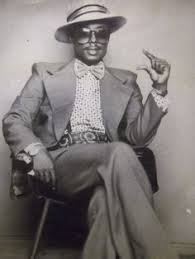
During the ’70s, men embraced both skin-tight and oversized clothing. Attractive choices included bold-colored jumpsuits, tight shirts with “pencil” trousers paired with matching shoes, or traditional agbada for special occasions. The agbada, a three-piece ensemble of a richly embroidered, flowing gown, sous-robe, and baggy trousers, was a hallmark of affluence and royalty. It was often completed with a matching cap (“fila”), gold chains, coral beads, and dark sunglasses. Hairstyles featured big afros or, for the adventurous, “Jerry Curls.”
The 1980s
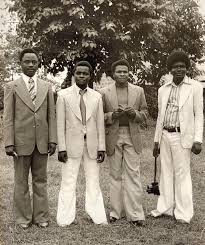
By the ’80s, Western fashion began to outshine local styles, leading to the widespread adoption of jeans and “pencil” (Fela) trousers, which were famously difficult to wear. Suits grew oversized, often paired with Kangol hats and leather bags, while hairstyles stayed curly. This decade signaled a move toward casual, global styles but retained touches of tradition.
The 1990s
The ’90s marked a more conservative turn. Trouser hems slimmed further, and men favored low-cut fades over curled hair. Jeans and T-shirts became the casual norm, while the brightly patterned ankara fabric emerged as a staple for partywear, establishing the concept of “aso-ebi” in men’s celebrations.
The 2000s
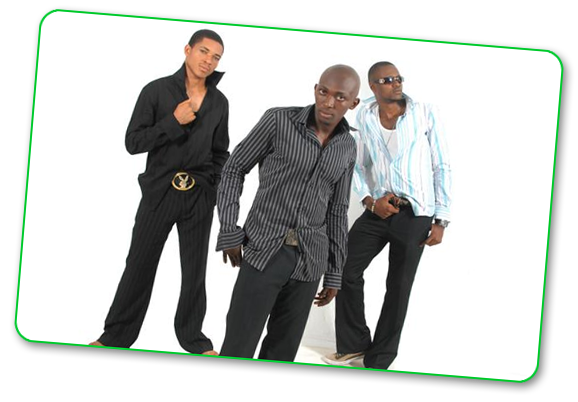
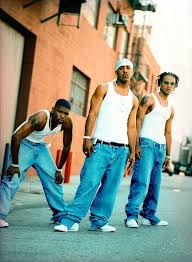
Nigerian entertainment exerted major influence in the 2000s. Fashion mirrored trends seen in music and movies, with men sporting baggy jeans, large tops, sneakers, flashy jewelry, and snapbacks at parties. Movie-influenced fashion brought in stylishly tailored suits and wide ties for professional occasions. This era was defined by bold, expressive, and celebrity-inspired looks.
2010 to Present
From 2010 onward, Nigerian male fashion became truly diverse and cyclical. Styles range from baggy pants to skinny jeans, ripped denim, oversized tops, fitted shirts, and relaxed silhouettes. There’s a renewed embrace of traditional attire, such as agbada and locally designed couture, often incorporated into contemporary outfits. Men now choose comfort, self-expression, and a mix of Nigerian and global brands, reflecting evolving tastes and pride in local creativity.
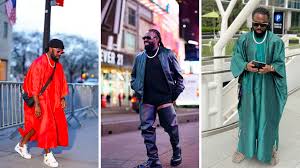
Nigerian male fashion continues to evolve, blending tradition, global influences, and individual flair. From the vibrant creativity of the ’70s to the adaptable streetwear of today, each decade demonstrates the resilience and innovation of Nigerian style, celebrating both heritage and modernity.